Bad indoor air quality is usually due to a combination of pollutants, poor ventilation, excess humidity, and issues with your HVAC system. Many homes have more than one contributing factor, such as poor ventilation and a large number of pollutants.
Florida homes face additional challenges due to the state’s excessive humidity. Having poor air quality in your home shouldn’t be ignored. It affects comfort, allergies, and your long-term health. This article takes a look at the 10 common causes of poor indoor air quality and practical ways to fix them.
Quick Takeaways
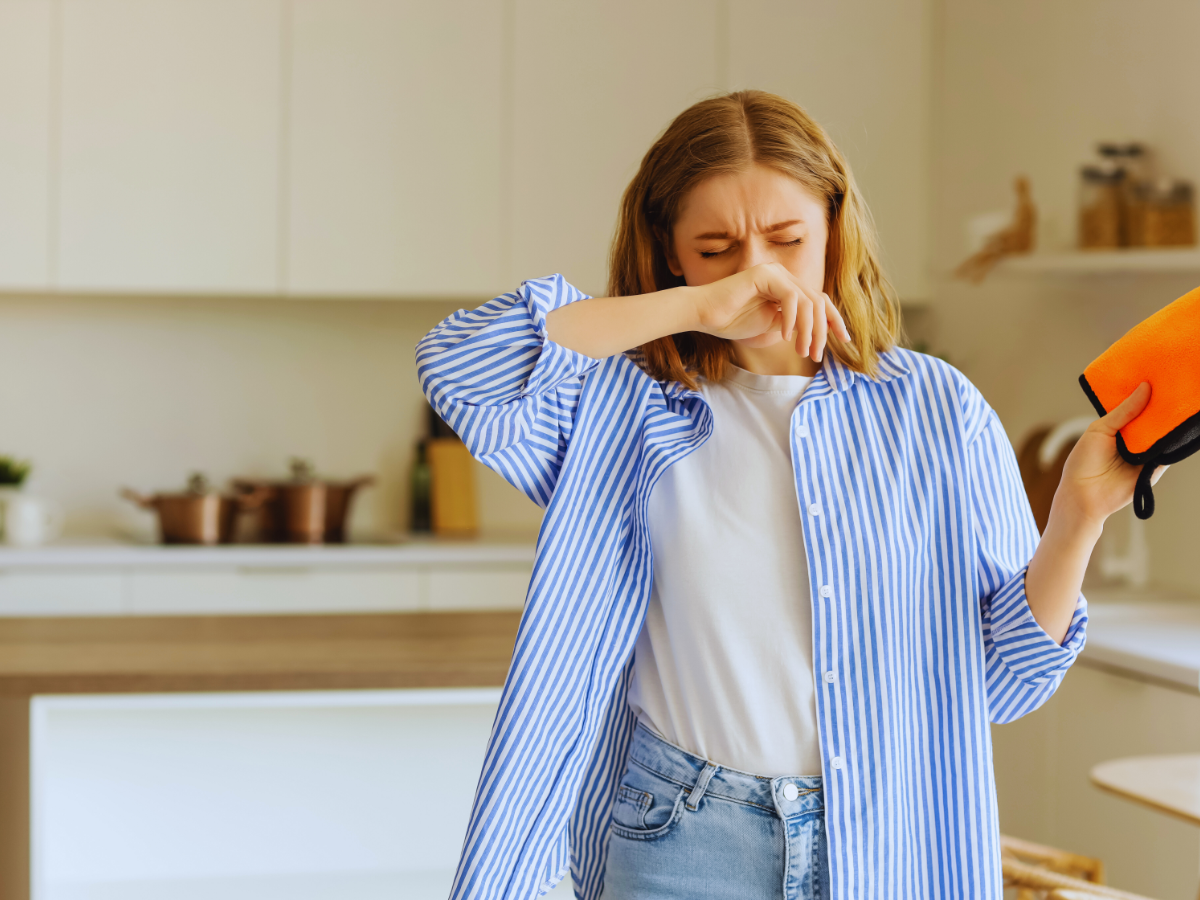 Bad indoor air quality is a result of pollutants, humidity, poor airflow, and dirty HVAC systems.
- Common sources include dust, mold, pet dander, and household chemicals.
- High humidity levels can lead to mold growth and bacteria.
- Poor ventilation traps contaminants inside your home.
- HVAC systems play a major role in circulating or filtering air.
- Professional indoor air quality solutions can address root causes, not just symptoms.
What Is Indoor Air Quality?
Indoor air quality measures how clean and safe the air inside your home is, including the amount of pollutants, how high the humidity levels are, and whether or not there is constant airflow.
The 4 Main Causes of Bad Indoor Air Quality
1. Airborne Pollutants
Airborne pollutants usually refer to everyday sources inside your home, such as dust, pet dander, smoke, pollen, and debris tracked in on your shoes.
2. Excess Humidity and Moisture
Excess humidity and moisture, common in Florida homes, often lead to the growth of mold, mildew, and bacteria.
3. Poor Ventilation
Keeping your windows and doors closed traps contaminants indoors. It also prevents fresh air from getting in.
4. HVAC System Issues
HVAC system issues, such as dirty filters, contaminated ducts, and poor airflow, can significantly lower the quality of your indoor air.
10 Common Sources of Indoor Air Pollution
1. Dust and Dirt Buildup
Dust and dirt buildup come from dead skin, soil, debris brought in from outside, and cooking particles. These particles swirl through the air when we walk around our home or turn on the air conditioner.
2. Pet Dander and Hair
Pet dander and hair from your furry friends can trigger allergic reactions, such as sneezing and asthma. And since pet dander is microscopic, it can linger in the air for a long time.
3. Mold and Mildew Growth
Mold and mildew grow in humid environments and release spores that can trigger allergies. In Florida’s humid climate, many homeowners are likely to experience mold growth in their homes.
4. Household Cleaning Products and Chemicals
Household cleaning products and chemicals, like hair spray, release Volatile Organic Compounds (VOCs) into the air. These VOCs are a major source of indoor air pollution.
5. Tobacco Smoke and Indoor Burning
While candles, fireplaces, and incense can create a cozy atmosphere, they release harmful particulates, carbon monoxide, and nitrogen dioxide. Tobacco smoke is worse. It contains over 4,000 chemicals that not only pollute your indoor air but can also seep into your walls and furniture.
6. Poorly Maintained HVAC Systems
A poorly maintained HVAC system will have dirty coils, clogged filters, and a buildup of dust in its ducts. When it runs, all this dirt gets circulated into your home, polluting your air.
7. Dirty or Leaky Ductwork
As your HVAC system circulates warm or cool air, that conditioned air passes through your ducts. If you have dirty ducts, dirt will mix with the conditioned air and spread throughout your rooms. Leaky ductwork allows dirty air from the outside to enter and circulate with your HVAC system’s airflow.
8. High Indoor Humidity Levels
High indoor humidity is common in Florida homes. Unfortunately, if you don’t keep these levels below 60%, your home will become a breeding ground for mold and bacteria, which can trigger allergic reactions and respiratory issues.
9. Outdoor Pollutants Entering the Home
Leaving windows and doors open lets in fresh air, but it can also bring in pollen, pollution, and dust. This kind of debris can significantly pollute your indoor air.
10. Building Materials and Furnishings
New furniture and floors, like vinyl flooring, usually release harmful chemicals (VOCs). Paints, sealants, and varnishes also emit high levels of VOCs.
Why Bad Indoor Air Quality Is Worse in Florida Homes
Florida’s humidity levels average around 75% over the summer. When indoor humidity levels exceed 60%, the environment becomes ripe for mold growth.
Unfortunately, Florida suffers from almost year-round heat, which means homeowners must keep their windows closed and HVAC systems running almost constantly. These long periods of closure mean contaminants get trapped inside, allowing pollutants to build up.
Signs Your Indoor Air Quality Is Poor
Here are some obvious signs you have poor indoor air quality.
- Musty odors
- Excess dust buildup
- Allergy or respiratory symptoms
- Uneven airflow
- Humidity issues
How to Fix the Root Causes of Indoor Air Quality Problems
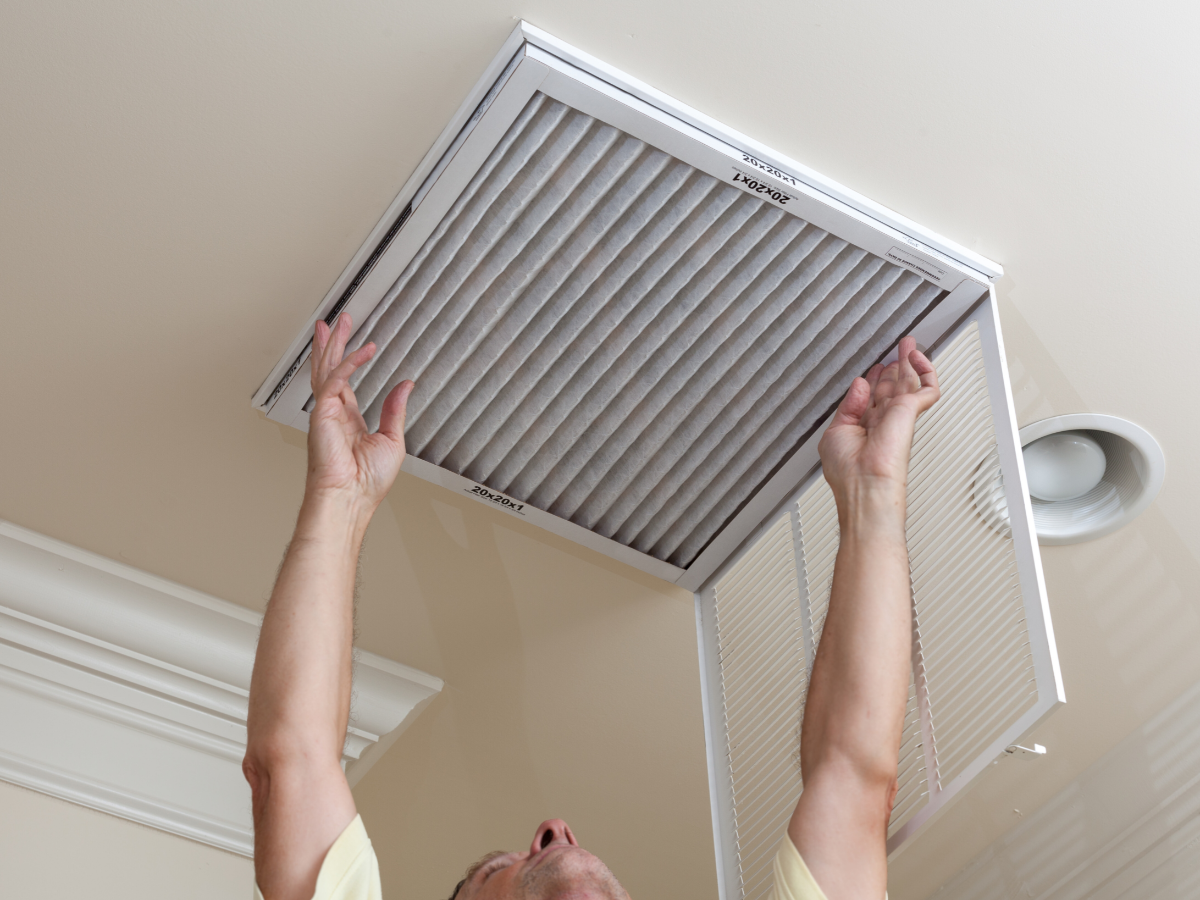 Upgrading your filters is one of the best ways to address indoor air quality problems. Switching to a filter with a higher MERV rating can ensure you capture smaller particulates like pet dander and pollen.
Keeping the humidity levels in your home between 30 and 50% is also important. If your HVAC system can’t do the job alone, add a dehumidifier.
Inspect your home and look for spots you can improve your ventilation. You can also have our technicians at One Hour Air Conditioning & Heating install an Energy Recovery Ventilator (ERV) to swap out stale indoor air with fresh outdoor air.
Finally, schedule annual HVAC maintenance with our Niceville technicians. We’ll clean your coils, ducts, and filters to ensure your HVAC system isn’t a source of pollution.
When to Call a Professional for Indoor Air Quality Issues
Not sure if you should call an HVAC professional? Contact us immediately if you notice:
- Persistent allergy symptoms, like sneezing, runny noses, runny eyes, and asthma
- Mold and mildew growth
- Your home is always clammy and humid despite your HVAC system running
- Your HVAC system isn’t working efficiently
Indoor air quality issues shouldn’t be ignored. If you’re frequently encountering these problems, schedule an appointment immediately. Ignoring them could result in mold-related illnesses, respiratory problems, and heat-related health issues.
FAQ: What Causes Bad Indoor Air Quality?
What is the most common cause of poor indoor air quality?
The most common cause of poor indoor air quality is probably poor ventilation, as it allows contaminants to accumulate in your home.
Can HVAC systems cause bad air quality?
Yes, if you don’t maintain your HVAC system regularly, dust and debris can build up on its coils and filter. When the system runs, this dust gets circulated around your home.
Does humidity affect indoor air quality?
Yes, high humidity levels (above 60%) create perfect conditions for mold and mildew growth. Mold spores can trigger allergic reactions and cause respiratory illnesses.
How do I know if my air quality is bad?
If you notice mold or mildew growth, high humidity, and excessive dust in your home, your air quality is probably poor. You may also be sneezing more or coughing.
Can air purifiers fix indoor air quality?
Air purifiers with HEPA filters can improve your indoor air quality by removing airborne particles like pet dander, smoke, dust, and pollen. However, they can’t “fix” the source of the problem, and they don’t remove VOCs.
What is the fastest way to improve indoor air quality?
The fastest way to improve the indoor air quality in your home is by improving ventilation and maintaining proper humidity levels. You should also replace your HVAC system’s filter regularly and schedule maintenance with our team to ensure your HVAC system isn’t contributing to poor indoor air quality.
Our Niceville Technicians Can Help Improve Your Indoor Air Quality
 Poor air quality doesn’t fix itself, and Florida’s hot, humid conditions only make the problems worse. To fix poor indoor air quality, we highly recommend going the professional route. Licensed technicians can inspect your home and address the root causes.
If your home feels dusty, humid, or uncomfortable, the problem usually isn’t just one thing—it’s a combination of issues working against your air quality.
One Hour Air Conditioning & Heating provides expert indoor air quality services in Niceville, FL and the surrounding areas. We help homeowners identify and fix the real causes of poor air.
When you need to schedule an indoor air quality consultation, call us! We are prompt and reliable. In fact, we’re always on time, or you don’t pay a dime.