If you’re installing a new heater, it helps to be familiar with BTUs. The number of BTUs that a unit has directly impacts how efficiently it will perform in your home. Installing a system with the incorrect rating will result in higher energy costs and inconsistent heating.
This guide provides a great starting point for BTU sizing. We always recommend letting a skilled technician do the installation to ensure you don’t put in a system that won’t meet your needs.
 Quick Takeaways
- BTUs indicate a heating system’s output capacity.
- The BTU-per-square-foot method provides a simple starting reference.
- The local climate and the home’s insulation and ceiling height all impact choosing the right BTU rating.
- Oversized heaters waste energy because of their short cycling.
- Undersized units won’t be able to keep up with your heating demands.
- A professional load calculation offers the best way to size a heater correctly.
How Many BTUs Do I Need? (Short Answer)
Heating needs in Florida are usually 15–30 BTUs per square foot, far lower than in northern regions due to the state’s mild temperatures. You should also keep in mind that the tropical south of Florida has warmer evenings than the northern part of the state.
Because of this, homes in Niceville often fall toward the higher end of that range. This figure also depends on factors like the effectiveness of your home’s windows and insulation. You should not use these numbers as a hard-and-fast rule when deciding on the exact dimensions of your new system, but rather as a jumping-off point.
BTUs Per Square Foot for Heating
Multiplying your overall square footage by 15 to 30 BTUs is a standard way to estimate your heating requirements in Florida. This equates to about 30,000 to 60,000 BTUs for a standard 2,000-square-foot house.
The precise size of your system will be determined by factors such as ceiling height and insulation quality, so please consider these values as a general range rather than an exact necessity.
Factors That Affect How Many BTUs You Need
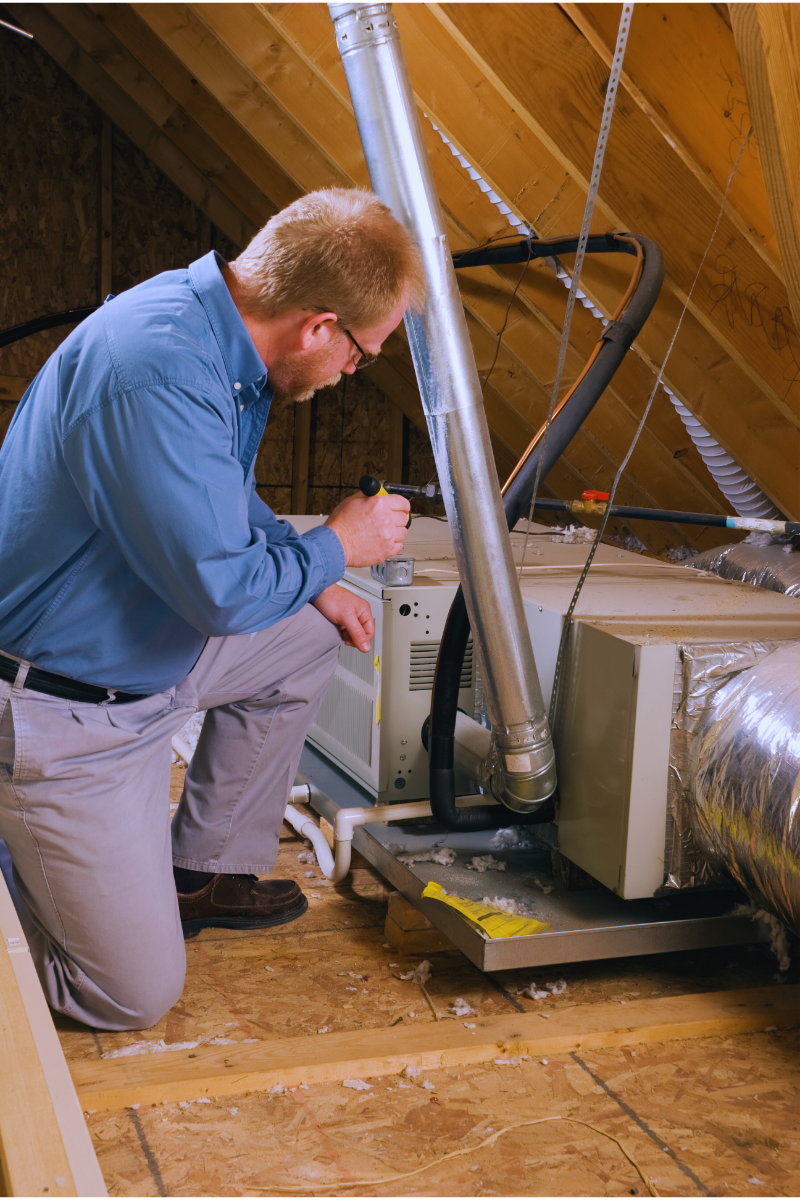 Before you buy a heater, you should have a professional measure your home’s thermal conductivity, which goes beyond the square footage of your rooms. The amount of effort your system has to put in to keep the temperature constant also depends on several other structural and environmental factors.
Home Square Footage
It’s important to exclude unfinished attics and garages when determining square footage and instead concentrate on the conditioned living space. Using the precise heated square footage prevents you from inadvertently purchasing a system with excess capacity, since your heater just supplies air to these specific zones.
Climate and Location
Even though Florida is famous for its sunlight, the seasonal heating needs vary greatly from the Keys’ tropical humidity to the Panhandle’s rare frosts. If you want to be cozy during the few weeks of lower nightly temps in your northern location, you’ll need a little extra heating output.
Insulation and Air Sealing
By retaining heat inside, a well-insulated house reduces the overall number of BTUs needed to maintain a comfortable temperature. If your home has holes or poor sealing in the attic or walls, you’ll need more BTUs to compensate for the heat loss.
Ceiling Height
Having tall ceilings significantly raises the total volume of air in a space, which in turn increases the heating demand. This means if you have vaulted ceilings, you’ll need to install a heater with a higher BTU rating.
Windows and Home Age
Due to drafty window frames and a lack of contemporary thermal glass and airtight construction, older houses often lose a lot of heat. Unless you’ve had window upgrades or added insulation, you’ll likely need a higher-rated heater to keep the indoor temperatures consistent.
Example BTU Ranges by Home Size
| Home Size (Square Feet) | Estimated Florida Heating BTU Range |
|---|---|
| 500–1,000 sq ft | 10,000–25,000 BTUs |
| 1,000–1,500 sq ft | 15,000–35,000 BTUs |
| 1,500–2,000 sq ft | 20,000–45,000 BTUs |
| 2,000–2,500 sq ft | 25,000–55,000 BTUs |
| 2,500–3,000 sq ft | 30,000–65,000 BTUs |
| 3,000+ sq ft | 35,000–80,000+ BTUs |
Why Oversizing or Undersizing a Heater Causes Problems
A system with too many BTUs will cycle on and off really fast, also known as short cycling. This wastes energy and puts excess wear on the equipment, leading to premature repairs and replacements. It also causes the home to be uncomfortable because the system will shut off before it completes a full heating cycle.
A system that doesn’t have enough BTUs can be just as problematic and inefficient. It will run continuously as it tries to keep the home warm, using a lot of energy that increases heating costs and equipment problems. Professional sizing is the best way to protect your investment and maintain comfortable living spaces.
Why Professional Heater Installation Matters
A professional installation removes the need to depend on guesswork for heater sizing. A skilled technician will take measurements and perform Manual J calculations that properly size the system to your home’s layout, size, and insulation levels.
How professional sizing protects your investment:
- Prevents expensive energy bill spikes
- Extends your system’s operational life
- Reduces frequent mechanical repair costs
- Ensures consistent indoor comfort levels
- Protects your manufacturer warranty coverage
Frequently Asked Questions
Is it better to oversize a heater just in case?
No, you never want your heater to be too big for your home. The parts will wear out faster and the home will be uncomfortable because the system will short cycle.
How accurate is the BTU-per-square-foot rule?
The rule works great as a starting point for heater sizing. However, homes with unusual layouts or poor insulation will also need additional calculations to account for increased heat loss.
Do BTU needs differ for heating vs cooling?
The physical measurement of a BTU remains the same for both heating and cooling, but BTU requirements do differ based on your specific regional climate and seasonal demands. Most homes in Florida need a lower-rated heating system because of the intense solar heat gain that defines the tropical environment.
Does heater type affect how many BTUs I need?
Yes, since gas and electric heaters use different processes for heating, this can impact how many BTUs your home needs to keep it warm. Electric heaters usually need a higher rating because they heat less efficiently.
Should a professional calculate BTUs before installation?
Yes, you should always have a professional size the heater to your home. This will prevent both over- and under-sizing, ensuring the home stays warm without consuming unnecessary energy.
Call One Hour for Heater Installation in Niceville, FL
 When you hire Niceville One Hour to do the heater installation, we’ll always use professional sizing methods that don’t rely on guesswork. You’ll have a system that runs reliably all winter. We serve all of Niceville and the surrounding areas with our trusted expertise.
Call Niceville One Hour today to book a heater installation in Niceville. We’re always on time, or you don’t pay a dime!